What we treat

Knees & Hips

Knees and hips are the most requested application of regenerative medicine at our clinics. Treatment targets the cartilage, tendon, and joint tissue itself, supporting repair rather than managing the pain signal indefinitely.

Am I a candidate for knee or hip treatment?

The strongest candidates are patients with degenerative changes, cartilage wear, or tendon injury who have not found durable relief from conservative care and want an honest evaluation of what their joint actually needs.

Candidacy depends on the extent of structural damage. We review imaging at consultation and will tell you plainly where regenerative therapy is unlikely to be enough.


What does treatment involve?

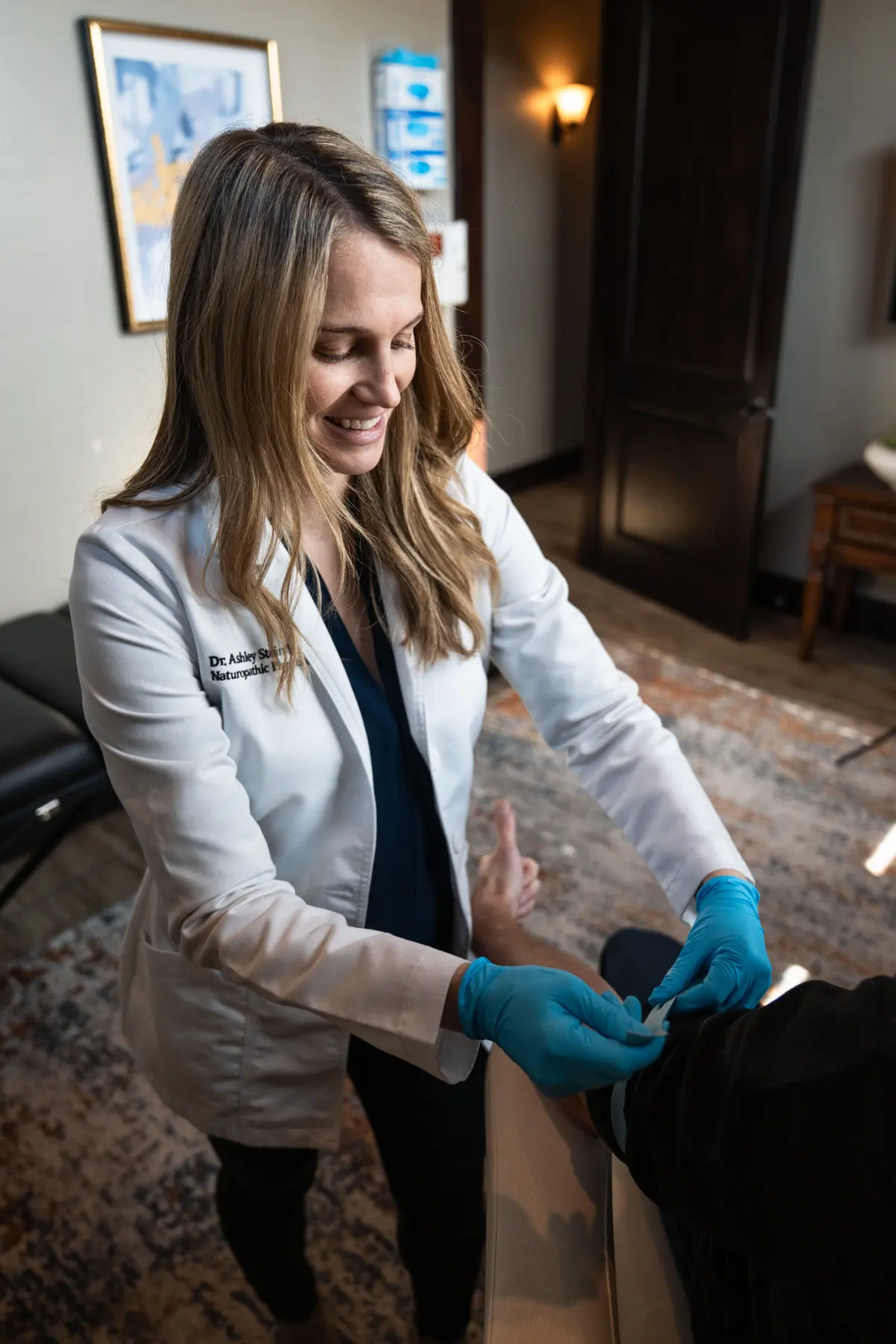
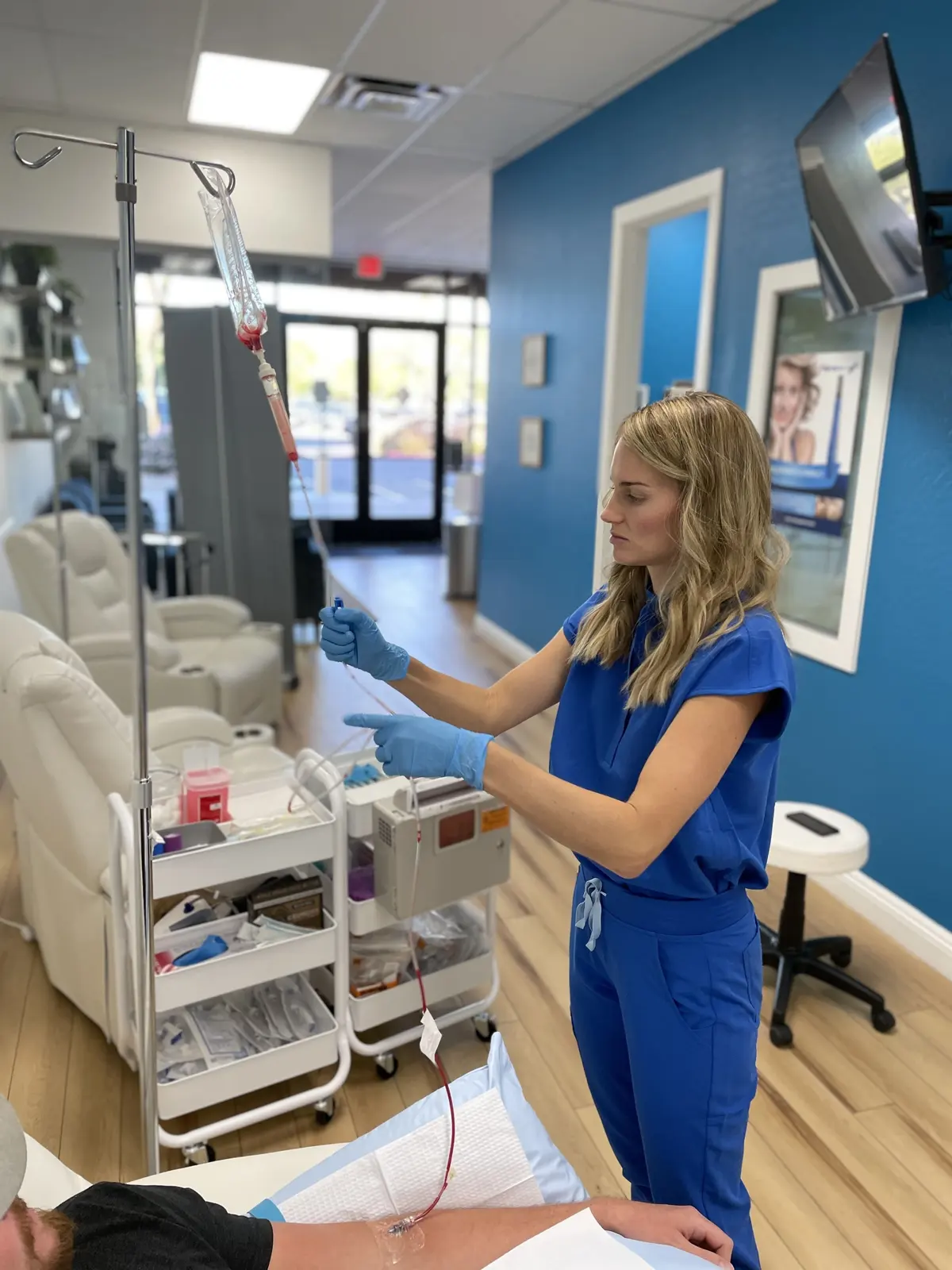
Targeted injection of cells and growth factors into the affected joint, sometimes combined with systemic therapy where inflammation is a broader factor. Most protocols are completed in a single visit with structured follow-up.

Recovery expectations, activity guidance, and follow-up cadence are set before you commit to treatment.

The workup

How is candidacy for knee or hip treatment determined?

Candidacy is the whole game for weight-bearing joints, and it is determined from imaging, exam, and your systemic picture together, not from a phone screen.

Imaging
review of MRI or X-ray, graded honestly against what injection therapy can address
Functional
gait, range of motion, strength, and daily-life limitation
Inflammatory
systemic markers that shape the healing environment
Hormonal
testosterone and sex hormones, which are necessary for musculoskeletal repair

Panels are tailored to your history at consultation; the groups above are representative, not exhaustive.

Dr. Ashley Southern working with patient records at her desk

What does knee or hip treatment involve?

Most protocols complete the injection work in a single visit, bracketed by a real evaluation before and structured follow-up after.

  1. 01

    Consultation, imaging review, and exam

    Dr. Southern reviews imaging and examines the joint. Bone-on-bone changes past what regenerative therapy addresses earn you a direct answer and a surgical referral, not a discounted package.

  2. 02

    Protocol design

    Cell and growth-factor therapy matched to the tissue involved: cartilage surface, tendon, or the joint capsule broadly, with systemic therapy where inflammatory load warrants it.

  3. 03

    Injection visit

    Targeted injection in-clinic, same-day discharge, and written activity guidance for the weeks that follow.

  4. 04

    Structured follow-up

    Function is reassessed at set intervals against your baseline exam. If the trajectory is wrong, the conversation about next options happens early.

Signals

Signals that bring patients in

These are the patterns we hear most often from patients who end up being good candidates.

  • Knee or hip pain that limits activity
  • Stairs, hills, or getting up becoming difficult
  • Told you may need a joint replacement and want an honest evaluation of your options
  • Cartilage wear or degenerative changes on imaging
  • Pickleball knee, running, and long-term joint load
Runners’ legs mid-stride on a road
Where we draw the line

When is a knee or hip beyond regenerative therapy?

Some joints are past what an injection can address, and identifying them honestly at consultation is what separates this category’s serious clinics from the rest.

  • End-stage arthritis with deformity or bone-on-bone collapse, where replacement is the right operation
  • Mechanical symptoms like true locking, which need an orthopedic evaluation
  • Active infection or crystal arthritis flare in the joint
  • Hip pain that is actually referred from the spine, which the exam is designed to catch
The honest read

What does the evidence say for knees and hips?

Knee osteoarthritis is the best-studied application in regenerative orthopedics, with multiple controlled trials of cell-based injections showing signal on pain and function in appropriately selected patients, alongside studies showing little difference. Hip data is thinner. None of it amounts to FDA approval, and severity at baseline consistently shapes results.

That mixed-but-real literature is exactly why we put the effort into selection and measurement: treat the patients the evidence suggests can respond, decline the ones it does not, and judge every course against a documented baseline.

Dr. Ashley Southern
Dr. Ashley Southern, NMDNaturopathic Medical Doctor · On where the evidence stands
Google reviews

What patients say

★★★★★

Dr. Southern was very thorough in her approach to my health issues and resolved a chronic pain issue I had been dealing with for at least 3 years. No other doctor I had dealt with could provide me the long term relief that she has. She is amazing and researches your entire health picture for the answers. Can’t recommend her enough!

J
Jessie BowmanVerified Google review
★★★★★

This has been a great experience! This practice offers a wholistic health model and I’m learning so much about how my body actually works, the best fuel for it, as well as creative ways to heal old injuries and keep me young and active as long as possible!

A
Angus ScottVerified Google review
★★★★★

I have been seeing Dr. Southern for the past couple of years almost and she is absolutely wonderful! I appreciate how thorough she is and how she takes the time to get to the root cause of things rather than just treating the symptoms.

M
Michaella ClarkVerified Google review
Answers

Knees & Hips, common questions

What are my options if I have been told I need a knee replacement?

That depends entirely on the extent of the damage, which is exactly what the evaluation is for. Regenerative therapy is not a substitute for joint replacement: Dr. Southern reviews your imaging and history and will tell you honestly whether it is appropriate for you, or whether surgery is the right path. Nothing is promised in advance.

How soon can I return to activity?

Activity guidance depends on the joint treated and the protocol used. You will receive specific direction as part of your treatment plan.

Start with a consultation

Comprehensive lab work, an honest read on whether we can help, and a protocol designed around your biology.