What we treat

Immune Function

Immune dysfunction runs in both directions: an immune system that under-responds leaves you vulnerable, one that over-responds attacks your own tissue. Mesenchymal cell therapy is used to help regulate inflammation, alongside ozone and high-dose infusions supporting immune resilience.

Why is chronic inflammation the common thread?

Inflammation is the mechanism the immune system uses to respond and repair. Sustained indefinitely, that same mechanism damages the tissue it was meant to protect, which is why inflammatory load shows up beneath so many chronic and autoimmune conditions.

We measure it rather than infer it: inflammatory markers are part of the comprehensive panel at consultation.


How is the immune system addressed?

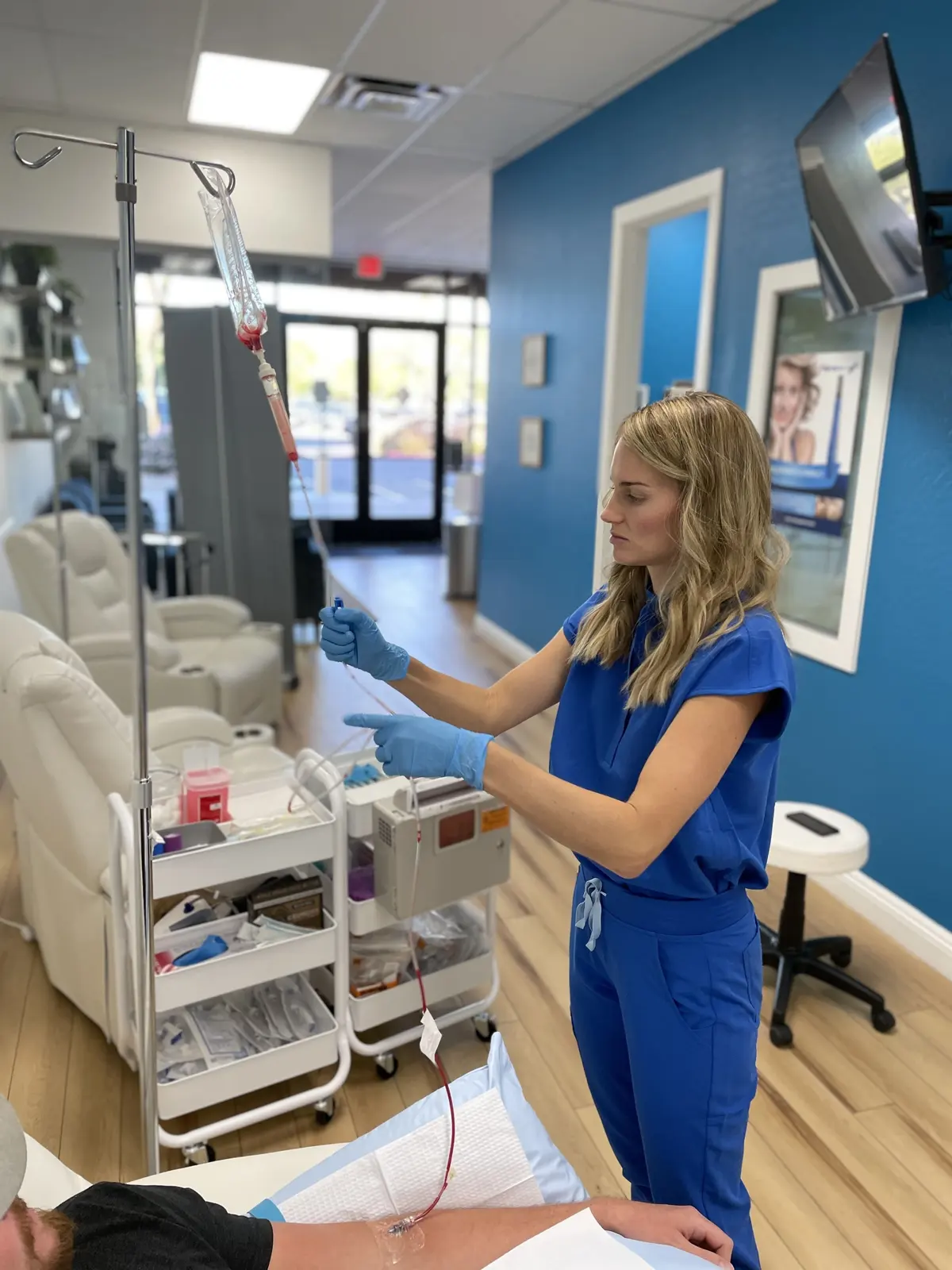
Mesenchymal cell therapy is studied for its immunomodulatory signaling, its role in helping regulate inflammatory response rather than simply suppressing it. Ozone therapy and high-dose infusions including glutathione and vitamin C are used to support immune resilience.

For patients with a diagnosed autoimmune condition, this work is coordinated with your rheumatologist or specialist.

The workup

How is immune function actually measured?

We quantify inflammatory load and immune status directly rather than inferring it from symptoms, because "I get sick a lot" and "I have elevated systemic inflammation" need different responses.

Inflammatory
hs-CRP, ESR, cytokine and inflammatory activity markers
Immune status
white cell differential, immunoglobulin levels
Autoimmune
ANA and antibody panels where history indicates them
Contributors
vitamin D, zinc, gut and metabolic markers

Panels are tailored to your history at consultation; the groups above are representative, not exhaustive.

Dr. Ashley Southern working with patient records at her desk

What does an immune-focused protocol involve?

For diagnosed autoimmune patients, everything below happens in coordination with your rheumatologist or specialist. For patients without a diagnosis, the panel often supplies the missing picture.

  1. 01

    Consultation, panel, and records review

    History, current specialists, medication list, and the immune panel. Bring your existing rheumatology records; we build around them rather than starting over.

  2. 02

    Protocol design

    Mesenchymal cell therapy where immunomodulatory signaling is the target, ozone and high-dose infusions including glutathione and vitamin C for immune resilience, and correction of measured contributors like vitamin D.

  3. 03

    Treatment course

    Delivered over a defined series of visits, with your prescribed immune medications untouched: we never modify a specialist’s regimen.

  4. 04

    Repeat markers and specialist coordination

    Inflammatory markers are re-run on schedule and shared with your specialist with your consent, so decisions about your diagnosis stay where they belong.

Signals

Signals that bring patients in

These are the patterns we hear most often from patients who end up being good candidates.

  • A diagnosed autoimmune condition
  • Getting sick more often, or staying sick longer
  • Elevated inflammatory markers on labs
  • Chronic symptoms without a clear diagnosis
  • Post-viral patterns like reactivated EBV (Epstein-Barr virus) or long COVID
Dr. Ashley Southern reviewing results with a patient during a consultation
Where we draw the line

When immune concerns belong elsewhere first

Immune presentations carry real diagnostic stakes, and some need a specialist before anything supportive makes sense.

  • Undiagnosed systemic symptoms like unexplained weight loss, fevers, or night sweats need diagnostic medicine first
  • Active flares of a diagnosed condition belong with your rheumatologist, not an infusion chair
  • Immunosuppressed patients, including transplant recipients, need clearance from their managing physician
  • We do not change immune medications on our own; any adjustment is made together with your prescribing specialist, never unilaterally
The honest read

What does the evidence say about cell therapy and immune function?

The immunomodulatory signaling of mesenchymal cells is one of the more actively researched areas of regenerative medicine, including clinical work in inflammatory and autoimmune contexts. It is also not an FDA-approved treatment for any autoimmune condition, and results across studies are mixed enough that honest framing matters.

What the research consistently supports is the role of systemic inflammatory load in symptom burden, and the value of measuring it. That is the ground our protocols stand on: quantify, address the measurable contributors, and be explicit about which components are supported by strong evidence and which are earlier-stage.

Dr. Ashley Southern
Dr. Ashley Southern, NMDNaturopathic Medical Doctor · On where the evidence stands
Google reviews

What patients say

★★★★★

Dr. Southern is very thorough and helped to diagnose me with Hashimotos after many other doctors did not. She cares and takes time with her patients.

E
Elizabeth HeroldVerified Google review
★★★★★

I have been through many doctors and have never had any doctor listen and understand like Dr. Southern. She is someone who worked to find and treat my underlying conditions. Through IV treatments and supplements, I have been able to function and have ‘good’ days. Thank you.

M
Melinda LottigVerified Google review
★★★★★

This place is amazing. I went to see Dr Southern as modern medicine wasn’t working for me. Dr Southern took the time to listen to me and understand what my symptoms were. She worked up a plan and I followed it.

R
Robyn ThomasVerified Google review
Answers

Immune Function, common questions

Can you treat my autoimmune condition?

We work on the inflammatory and immune signaling underneath autoimmune conditions, coordinated with the specialist managing your diagnosis. Candidacy is determined at consultation, Dr. Southern will be direct with you about what is and is not appropriate.

Do I need to stop my current medication?

Never stop a prescribed medication without speaking to the physician who prescribed it. Bring your full medication list to your consultation so your protocol is designed around it.

Start with a consultation

Comprehensive lab work, an honest read on whether we can help, and a protocol designed around your biology.