What we treat

Brain & Cognitive Function

Brain fog, declining focus, and mood changes are frequently downstream of inflammation, mitochondrial strain, and hormonal shifts, not an inevitable consequence of getting older. Our protocols target those underlying systems using stem cell and exosome IV therapy, ozone therapy, and targeted nutrient support.

Why does cognitive performance decline?

Cognitive complaints rarely have a single cause. Chronic inflammation, declining mitochondrial output, poor sleep architecture, vascular changes, and hormonal shifts all contribute, and they compound one another.

Because the causes are layered, we start with comprehensive lab work rather than assumptions. What we treat depends on what your biology shows.

How does regenerative medicine approach cognition?

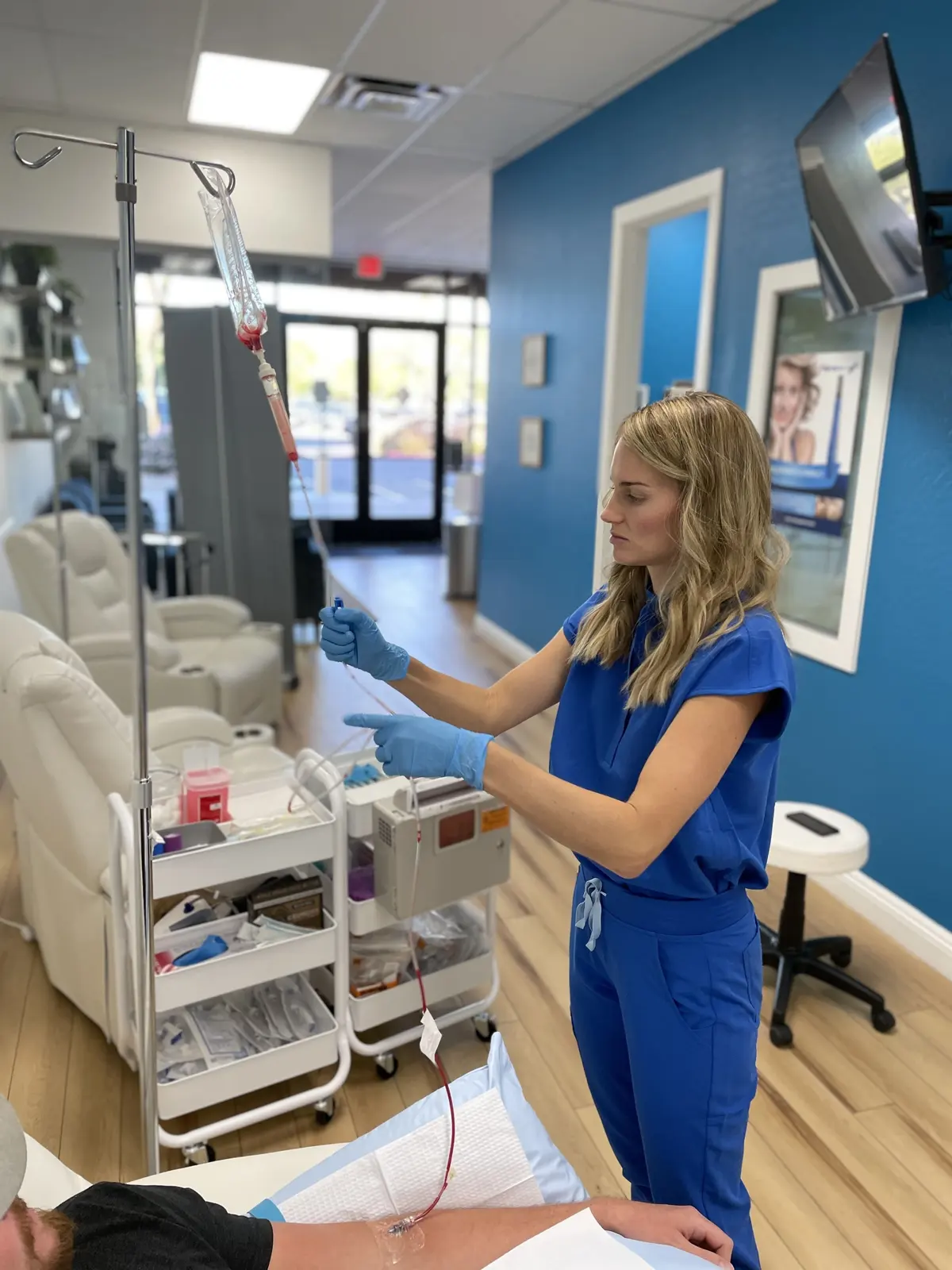
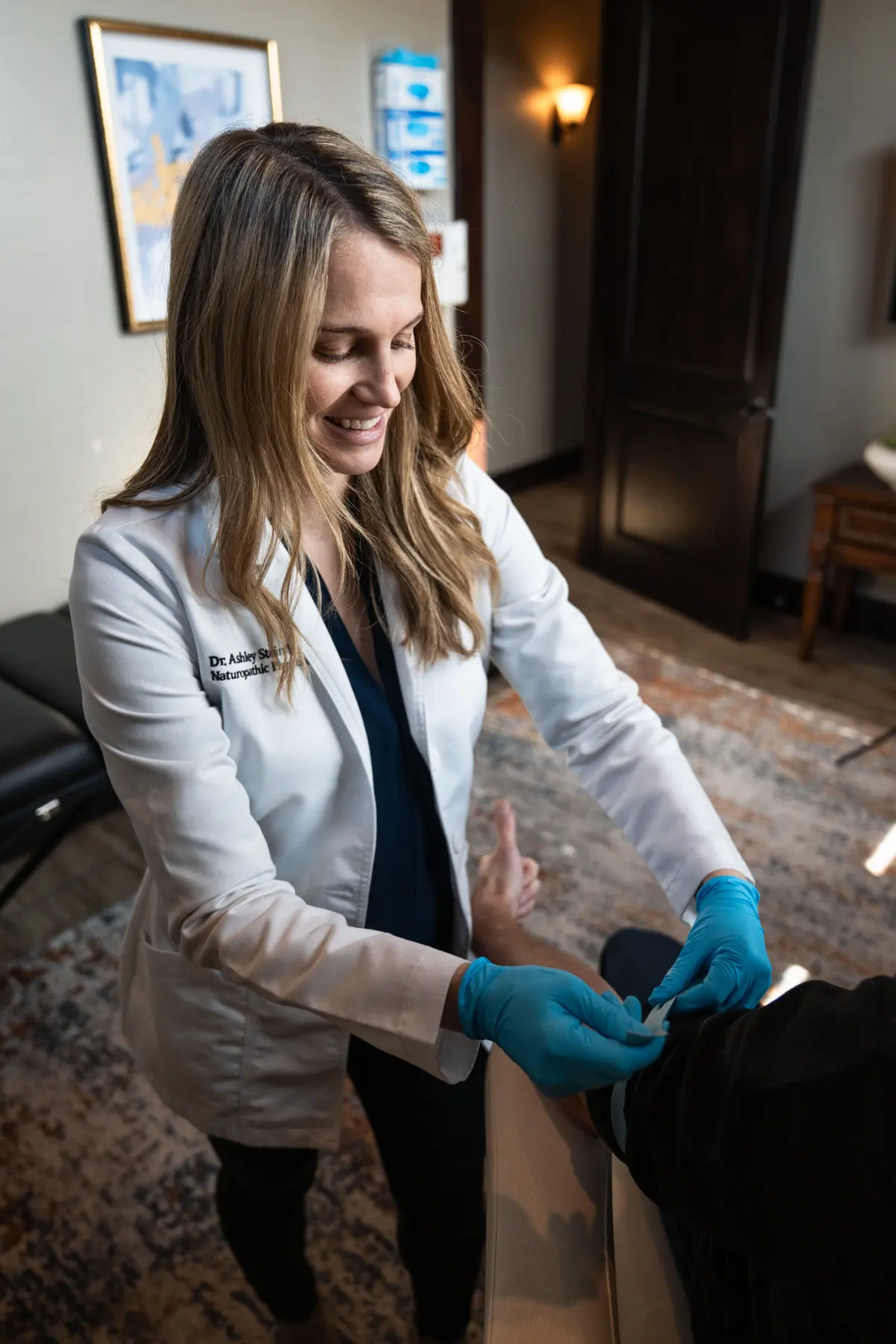
Stem cell IV therapy is used to help regulate the systemic inflammation that drives cognitive symptoms, and exosome therapy delivers concentrated signaling molecules studied for their role in neurological repair. Ozone IV therapy supports oxygen utilization and the mitochondrial energy production neurons depend on, with targeted nutrient support where the panel indicates it.

These are frequently layered in a single protocol, then adjusted against repeat biomarker work.

The workup

What gets evaluated before anything is recommended?

Cognitive complaints get a full-body workup here, because the brain is rarely the only system involved. Before any therapy is discussed, we run a comprehensive panel and take a history that covers sleep, head injury, medications, and stress load.

This is the step most patients tell us nobody has done before. A standard workup for brain fog is often a brief screen and reassurance; ours is designed to surface the contributors that hide inside "normal."

Inflammatory
hs-CRP, homocysteine, inflammatory cytokine markers
Metabolic
fasting insulin, HbA1c, lipid particle analysis
Hormonal
thyroid panel with antibodies, cortisol, sex hormones
Nutrient
B12, folate, vitamin D, omega-3 index, ferritin

Panels are tailored to your history at consultation; the groups above are representative, not exhaustive.

Dr. Ashley Southern working with patient records at her desk

What does a cognitive protocol involve?

A protocol is built from your labs, not from a menu. Most cognitive protocols run eight to twelve weeks before repeat testing, and every element is chosen for a marker it is meant to move.

  1. 01

    Consultation and comprehensive panel

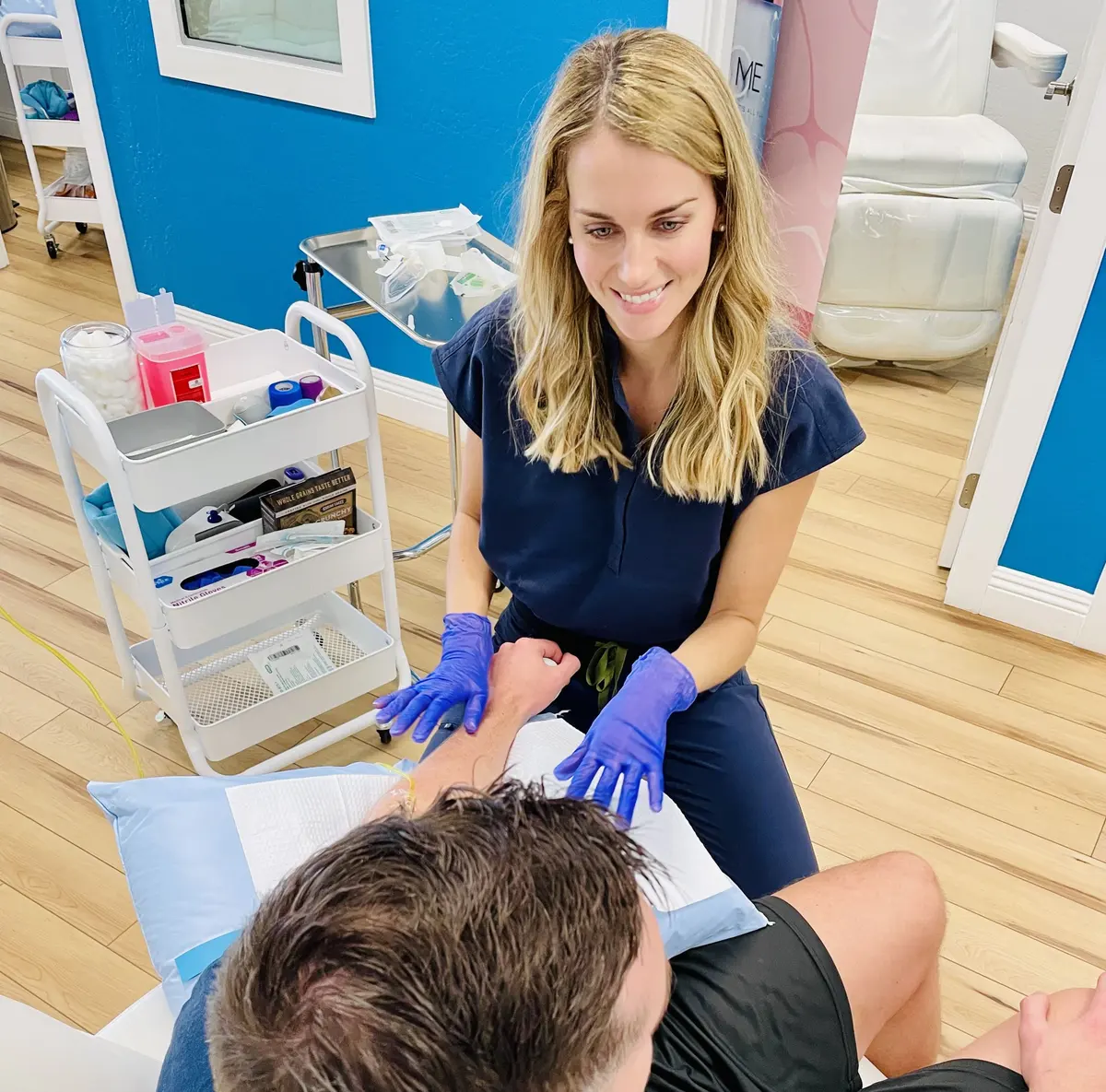
    A long-form visit with Dr. Southern covering history, sleep, head injury, and medications, plus the full lab draw. If your history points to a neurologist first, that referral happens now, not after treatment.

  2. 02

    Protocol design

    Dr. Southern maps each finding to an intervention: stem cell IV where inflammatory load is the driver, exosome therapy where repair signaling is the target, and ozone and nutrient support where mitochondrial function is indicated.

  3. 03

    Treatment visits

    Infusion-based therapies are delivered in the clinic lounge over one to several visits depending on the protocol. Most patients read or work through them.

  4. 04

    Repeat markers and adjustment

    The panel is re-run on a set schedule. What moved and what did not determines whether the protocol continues, changes, or ends. You see the same numbers we do.

Signals

Signals that bring patients in

These are the patterns we hear most often from patients who end up being good candidates.

  • Mental fog that does not resolve with rest
  • Losing words or names more often than you used to
  • Focus that fades through the afternoon
  • Mood or motivation changes without an obvious cause
Dr. Ashley Southern administering a regenerative injection to a patient
Where we draw the line

When is this the wrong clinic for cognitive symptoms?

Some cognitive presentations need a neurologist, not a regenerative clinic, and part of our evaluation is telling you which one you are.

Repeated head injury deserves its own mention, because many of our veteran and athlete patients carry that history: we work alongside neurological care in those cases, never instead of it.

  • Sudden cognitive change, which needs urgent medical evaluation, not a consultation with us
  • Symptoms consistent with progressive neurodegenerative disease, where a neurologist leads and anything we do is supportive at most
  • Untreated sleep apnea, which no infusion protocol compensates for
  • A recent concussion still in the acute window, which needs specific management first
The honest read

What does the evidence actually say?

Honestly: the research on regenerative therapies for cognition is early-stage. Exosome signaling in neurological repair is an active research area, and NAD+ biology in cellular energy production is well described, but neither has large-scale human trials behind it for cognitive complaints, and nothing we offer here is an FDA-approved treatment for any cognitive condition.

What is well established is the contribution of inflammation, metabolic dysfunction, sleep, and hormonal shifts to cognitive performance. That is why our approach starts with measuring and addressing those, where the evidence is strongest, and treats regenerative therapy as one component rather than the whole answer.

We would rather you hear that framing from us than a bolder version from someone selling harder.

Dr. Ashley Southern
Dr. Ashley Southern, NMDNaturopathic Medical Doctor · On where the evidence stands
Google reviews

What patients say

★★★★★

What an experience!! Dr. Southern was so patient and listened to every single complaint. Not only has she come up with a plan to help me feel better but she gave me recommendations for diet. Can’t wait to start my journey!!

I
Isolda VelasquezVerified Google review
★★★★★

Dr Southern is easy to talk to. She asks good questions and listens to my concerns. I always feel like I’m getting genuine care!

D
Debbie KeehartVerified Google review
★★★★★

Been seeing Ashley Southern for well over a year now and my health has drastically improved. She cares about getting results and helping her patients. Everyone is so nice and helpful. Thanks Ashley!

B
Brad FVerified Google review
Answers

Brain & Cognitive Function, common questions

Is brain fog just a normal part of aging?

Age is a factor, but "normal for your age" is not the same as optimal, and it is not a diagnosis. Comprehensive lab work frequently surfaces inflammatory, metabolic, or hormonal contributors that can be addressed directly.

Which therapy is used for cognitive concerns?

Most often exosome therapy and NAD+ infusions, sometimes with stem cell therapy where inflammation is a significant driver. Your protocol is designed from your labs and history.

I have a history of concussions. Where do I start?

Start with the consultation, and bring any neurological records you have. Head injury needs specific evaluation, and part of the visit is determining whether your picture belongs with a neurologist first, alongside anything we would design.

How long before I notice anything?

Timelines vary substantially between patients, and anyone quoting you a fixed one is guessing. What we commit to is measurement: repeat markers on a set schedule so the protocol is judged on data rather than impressions.

Start with a consultation

Comprehensive lab work, an honest read on whether we can help, and a protocol designed around your biology.